: , , , , , , , , , and
Art & Exhibitions
Transition Time, Museum on the Seam, through October 1
through October 1 · איריס חסיד, סעיד אבו שקרה, נורית טל טנא, לירי סנדל, ד"ר שיר אלוני יערי
Schedule: Transition Time, Museum on the Seam, through October 1
Details: Transition Time, Museum on the Seam, through October 1
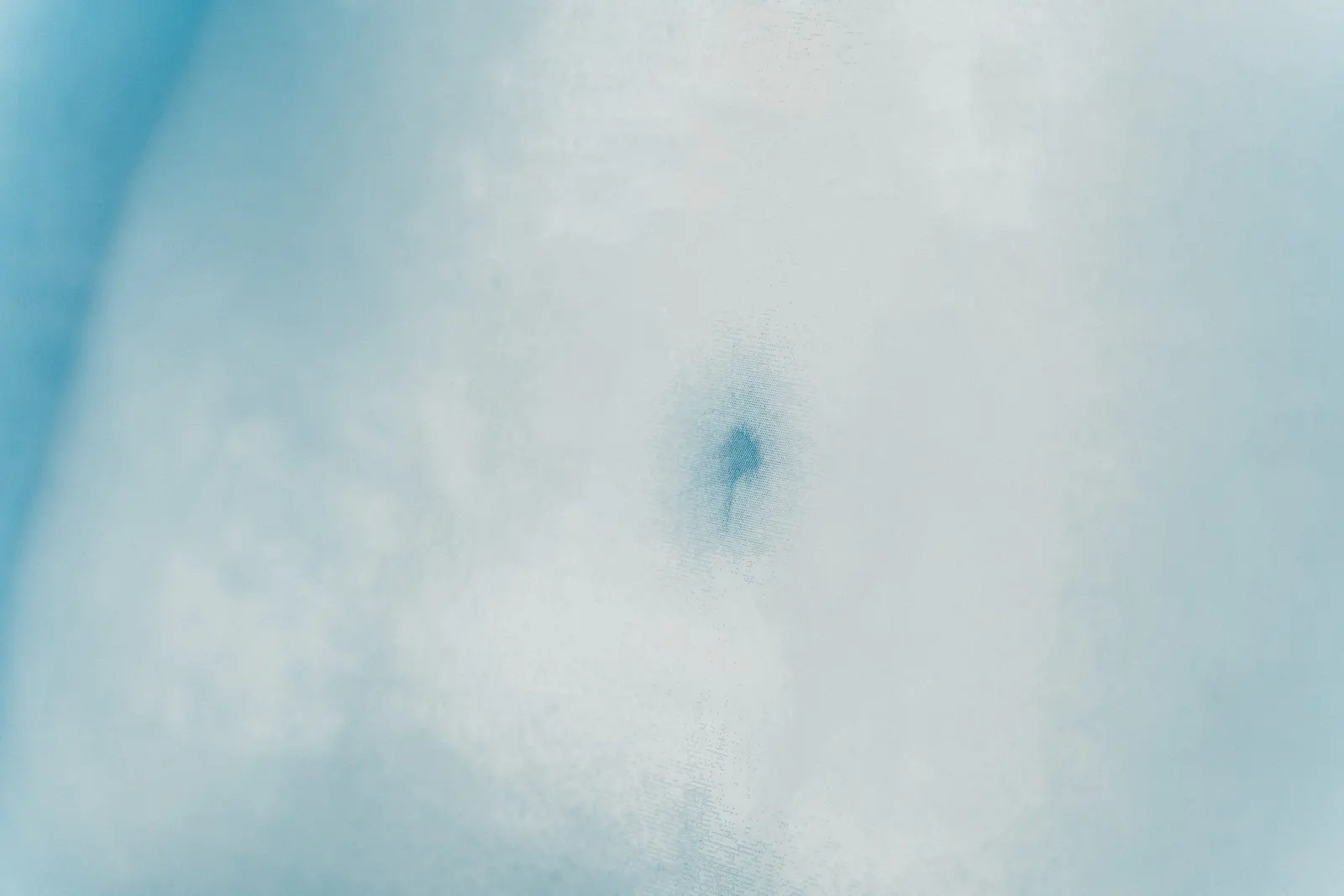
This work, representing the first museum exposure of Liri Sandel, deals with the fragility of home, with its psychological, symbolic, and physical aspects. On the personal level, it relates to the experience of parting from the parental home, a place steeped in memories and family history, and the transition to other, more or less permanent settings that carry the tentative promise of a new home. Against the background of the ongoing war and the undermining of the sense of stability, belonging, and security, leaving the childhood home is charged with additional emotional weight, even when it seems part of a natural and inevitable move. In the reality of real, tragic loss of homes and living fabrics, the wistful melancholic mood imbuing the installation congeals into a feeling of grief. In this atmosphere, Sandel seeks to dwell on the minute moment of separation – not as a dramatic statement, but rather as a reserved observation of the little, mundane details that make up the home and its impression in memory. The glass prints – plain windowpanes engraved with laser – carry intimate traces accumulated over time: an unmade bed, sockets, a handle from the parental home, a sink from the current apartment, the contents of an exposed drawer. Home is presented here as the continuation of the body: the home as body and the body as home. Images like sink and stomach, drainage hole and navel, highlight a feminine, adolescent, or even infant-mother dimension, associating the work with the femmes maisons of artists such as Louise Bourgeois and Francesca Woodman. At the same time, the engraving of the quotidian in glass – an expensive, disposable, and fragile material – confers an iconic, ritualistic quality on these minutiae; missing elements – a doorless handle, a floating window – call upon the viewers to complement their meaning. The video in the exhibition serves as a silent performance – a kind of living image – which charts an emotional echo chamber that does not rely on action but on continuous presence in space. Filmed in the childhood room in northern Israel and the forest that surrounds it, it traces a process of transition, distancing, and transformed relations. The image is almost static, but time is present through minor movements – wind, breath, heartbeat – in a way that invites musing and an attentive gaze. Sandel’s work refers to an artistic tradition that addresses home as a repository of traces, an inner world, and longing, including Rachel Whiteread’s liminal void sculptures and the textile works by Do Ho Suh, in which transparent and temporary habitations mark home as a construct that is simultaneously concrete and abstract. Home is reconstituted here as a memory pattern, and the transparent, spectral material echoes experiences of something that was, which accumulate additional contexts through their location in the museum space – in itself an architectural fragment, the ghost of a home that is no more. Through sensitivity to the tiny details, to the margins between things, to the poetics and politics of space, Sandel’s “Transition Time” creates an associative, private-collective realm, where home is embodied as an ongoing condition of search, loss, and reconstruction. The project was developed as part of the artist’s studies in the Department of Ceramics and Glass Design at the Bezalel Academy of Art and Design, Jerusalem, supervised by Hila Ben Ari.