: , , , , , , , , , и
Выставки
The Line That Holds: Cartographies of the Seen and Unseen, Иерусалим
до 25 февраля 2027
Расписание: The Line That Holds..., до 25 февраля 2027
Подробнее: The Line That Holds: Cartographies..., до 25 февраля 2027
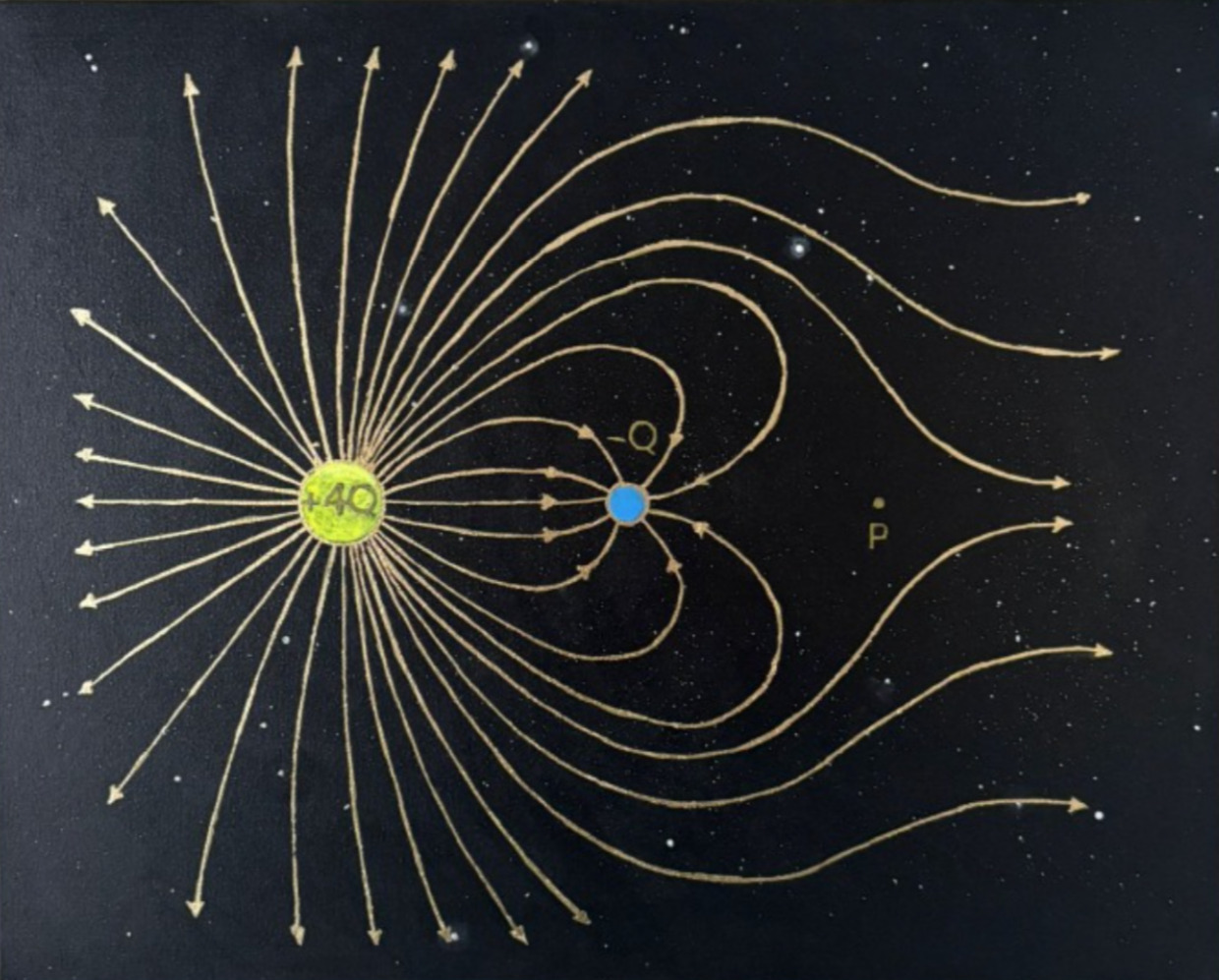
Artists: Ann Ruth Facktorovich, Anna Russo, Avi Yair, Avner Sher, Carla Chiusano, Dado Schapira, Dafna Shalom, Danielle Feldhaker, Diana Pintaldi, Eliahou Eric Bokobza, Enrico T. De Paris, Ezio Gribaudo, Farid Abu Shakra, Francesca Duscià, Galia Armeland, Gianni Depaoli, Isabella Mandelli, Karam Natour, Maya Smira, Neri Ceccarelli, Riccardo Gusmaroli, Ronen Sharabani, Shai Azoulay, Stefano Bressani, Suly Bornstein Wolff, Talia Yemini, Tsibi Geva, Yuval Yairi. Curators: Vera Pilpoul, Ermanno Tedeschi
On November 30, 1948, Moshe Dayan and Abdullah El-Tell sat before a 1:20, 000 scale map to draw the ceasefire line in Jerusalem. Dayan used a green wax pencil, El-Tell’s was red. A few millimeters on paper became a no man’s land: a strip 60-80 meters wide. Some 125 houses were included. The building where you are now is located at its edge. Every map is a series of decisions: what to mark, or to leave out, where to draw a line and what would remain outside. The questions of mapping are therefore never technical, never neutral: Who maps? For whom? And what is erased so that the rest could be seen? Today the map no longer waits for us to open it. The map is the agent – it maps us continuously, whether we like it or not. The Line That Holds: Cartographies of the Seen and Unseen reconceptualizes mapping. Not strictly as an official act of classification, exclusion and control, but also of memory, imagination and resistance. The works included in it map what is not and cannot be captured by latitudes and longitudes: migration routes, embodied borders, human longing. Thus, four trajectories intertwine in the exhibition: body as territory; memory and longing; borders and fractures; and imagined worlds. Artists from Italy and Israel, two countries sharing a Mediterranean space rich with memory, migration, and political tension, examine ways of looking at place, belonging and border through maps. Out of the language and cultural differences between them, a question emerges: How does place become part of identity, and how does it hold together even as it transforms, split, abandoned or reimagined. The exhibition was organized in collaboration with the Italian Cultural Institute in Tel Aviv.