: , , , , , , , , и
Выставки
Balanced Testimony, Artspace Tel Aviv, до 16 октября
до 16 октября · Amira Ziyan, Fatma Shanan, Mai Daas, Nasrin Abu Baker, Nirvana Dabbah, Raida Adon, Razan Shami, Samah Shihadi and Sophie Abu Shakra
Куратор: Sigal Caspi
Расписание: Balanced Testimony, Artspace Tel Aviv, до 16 октября
Подробнее: Balanced Testimony, Artspace Tel Aviv, до 16 октября
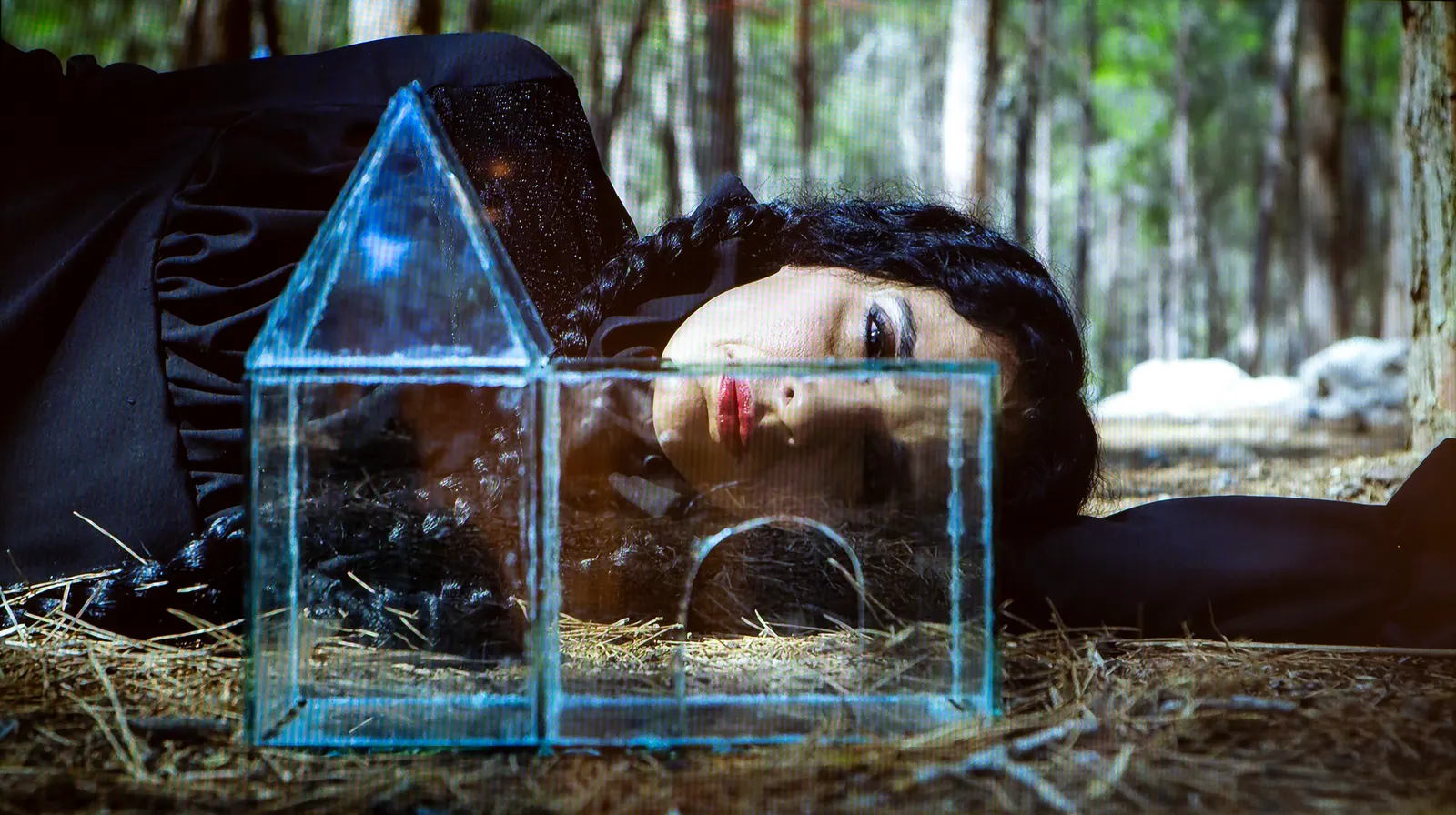
Portraits of women in horizontal positions have been a longstanding tradition in the history of art. The critical feminist discourse that emerged in the 1960s saw this tradition as an expression of patriarchal oppression, perpetuating the power relations between the male artist-spectator and the passive, observed woman.
The artists: Amira Ziyan, Fatma Shanan, Mai Daas, Nasrin Abu Baker, Nirvana Dabbah, Samah Shihadi, , Sophie Abu Shakra, Raida Adon ana, Razan Shami operate from a position of double marginalization, both as a gender minority in the patriarchal Arab society and as a national minority in Israel. Through representations of their bodies, they set out to express the complex emotional range shaped by their personal and collective circumstances in the Palestinian-Israeli sociocultural space.
While in the 1980s Palestinian male artists depicted the female body as a metaphor for the mother-lover-homeland, the female artists featured in this exhibition place their own bodies in the center of the frame, in a horizontal position. In doing so, they enact two inversions. First, they reverse the male gaze and shift it from its original direction in the history of art, so that the woman being observed is also the observing artist – an action that does not allow for the reduction of female representation into a passive object. Second, they undermine social conventions and challenge the demands and expectations of women, particularly in a male-dominated society.
The works in the exhibition explore identity politics, gender inequality, and the constraints of conservative social norms. By appropriating the male gaze, the artists carve out significant visibility in the public sphere. Positioning themselves at the center of the works is a demand for independence, assertion of their right to their bodies, defiance of the exclusion of women, and a call for a change in the traditional balance of power. Ostensibly, the reclining position conjures an impression of helplessness, on the verge of self-effacement. However, it is in fact an active
artistic action: They carry out a critical and defiant “battle of gazes” with the Old Masters of art history and with the colonial-imperialist gaze, without directly looking at the viewers, unlike the feminist art practices of the 1960s and 1970s.
In his book Ways of Seeing, critic and essayist John Berger examined the structure of the gendered gaze and found that men observe women, whereas women learn to internalize the external gaze and police themselves accordingly. About two decades later, the psychoanalyst and artist Bracha Lichtenberg coined the term “the matrixial gaze” – a gaze that deviates from the viewer-object dichotomy and allows for an emotional connection between past and present, between inside and outside. Through the encounter with the artwork, the viewer transcends his or her personal feelings, echoes the trauma of the other, and transforms the work of art into testimony, an act of “witness bearing.”
The artists’ experience of reality is revealed through the multitude of visual testimonies in the exhibition. Using diverse voices and different mediums, they chip away at the hegemonic narrative. In the new space they unfold, the inside becomes the outside and viewers are drawn in – not just as spectators but as active participants in the act of observation.
*The exhibition was first presented at the Tivon Art Gallery, and the production of the accompanying catalog was made possible thanks to the Association for the Study of Women’s Art and Gender in Israel.